
The Chair of Hydrobiology and Fisheries focuses on monitoring and researching the state of Estonia's inland water bodies—lakes, rivers, and streams. Estonia is home to nearly 2,800 lakes and over 80,000 small unregistered water bodies, while the total length of rivers and streams exceeds 30,000 kilometers. This diverse system of water bodies provides significant ecological and bioeconomic value, supporting fisheries, recreation, ecotourism, and biodiversity conservation.
The department's daily work revolves around understanding the functioning of inland water ecosystems and addressing related challenges to ensure the health and optimal use of these water bodies. Research seeks to answer key questions essential for water body management: Why do fish die? How can algae be removed? How can water quality be improved? And how can fish stocks be managed optimally?


Research
The chair focuses on studying the ecosystems of Estonia's lakes and rivers, providing scientific support for fish stock management and biodiversity conservation in water bodies. Our research helps to understand the functioning of inland waters and offers solutions for their sustainable use.
Scientific services
Siin on välja toodud erinevad teadusteenused ja ekspertiisid, mida kalandus ja hüdrobioloogia õppetool pakub.
We help assess the impact of human activities and natural processes in water bodies to support sustainable management and nature conservation.
We provide solutions and measures for restoring the ecological balance and improving the quality of lakes.
We research and implement measures to improve the condition of rivers and streams, ensuring the preservation of biodiversity.
We develop comprehensive protection management plans to ensure the sustainability and conservation of waterbody ecosystems.
We analyze disturbances in the ecosystems of water bodies and provide scientific solutions for their restoration.
We study the impact of pollution on waterbody ecosystems and help prevent and mitigate toxic effects.
Fish stocks are assessed, and recommendations are provided for their sustainable and efficient use.
We conduct studies to assess the ecological and chemical status of water bodies and make recommendations for improvement.
The biological resources of water bodies are assessed to ensure their optimal and sustainable use.

Lake Museum
The Lake museum is part of the Võrtsjärv Learning Centre of the Estonian University of Life Sciences, which is based at the Centre for Limnology and offers a unique environmental education experience. With 35 aquariums showcasing freshwater fish and a spacious classroom, we provide an inspiring learning environment. Our mission is to promote environmental awareness and encourage sustainable living in Estonia.
Contacts
Head of the Chair

Alo Laas
Associate Professor in Hydrobiology (Interim Chair)
Institute of Agricultural and Environmental Sciences
Chair of Hydrobiology and Fisheries
+372 55671093
+372 55671093Secretary
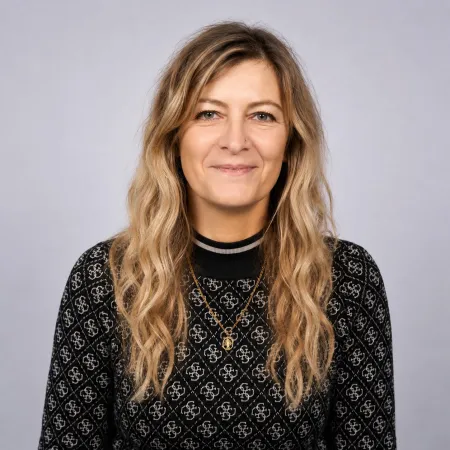
Kristiina Zirk
Secretary
Institute of Agricultural and Environmental Sciences
Chair of Hydrobiology and Fisheries
5262530
5262530